
In a move to bolster global energy security and diversify supply routes, G7 leaders have spotlighted Canada’s potential to significantly enhance its role in international energy markets. The emphasis was placed on Canada’s capacity to contribute to the global energy landscape during the G7 Summit, where leaders jointly stressed the need for alternative energy supply pathways to reduce reliance on geopolitical chokepoints.
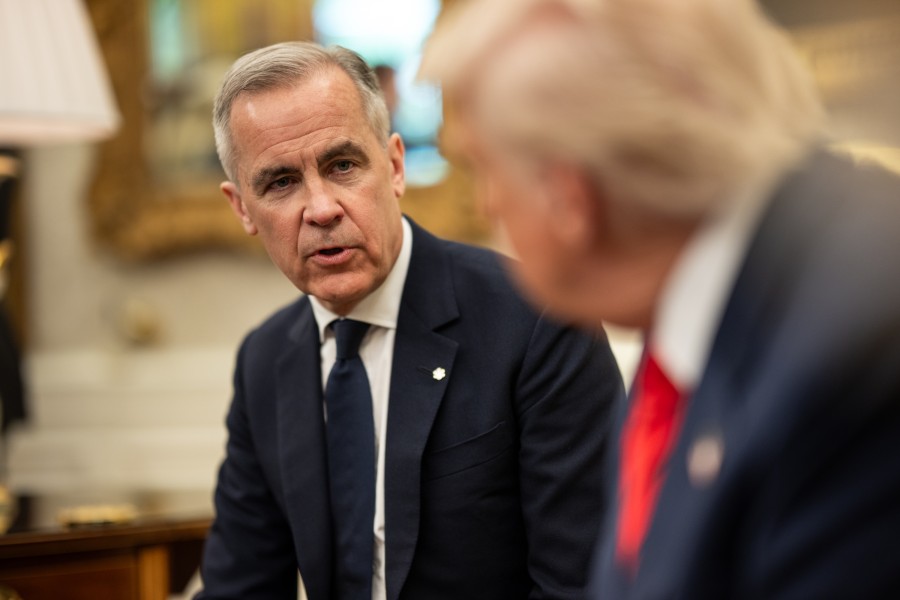
A joint statement from the summit underscored the importance of expanding these alternatives, highlighting Canada’s growing influence in the energy sector. Canadian Prime Minister Mark Carney articulated the country’s ambitions to establish itself as a dependable energy provider for European and Asian allies. He cited plans to ramp up liquefied natural gas (LNG) production and exports, alongside strategic investments in energy infrastructure, as pivotal to this endeavor.
Efforts to improve access to global markets are reflected in Canada’s ongoing pipeline expansion projects and exploration of new routes. The Canadian government is collaborating with provincial authorities to enhance energy transportation networks, aiming for sustained export growth over the long term. Recent statistics reveal that Canada’s natural gas exports to international markets have hit unprecedented levels, driven by increased production and a surge in global demand.
Beyond natural gas, Canada is also strengthening its position in the critical minerals supply chain, a sector deemed vital for the advancement of future energy and technology. This diversification is part of a broader strategy to solidify Canada’s standing as a key player in the global energy market.
The G7’s reaffirmation of support for initiatives to stabilize global energy markets comes amid persistent geopolitical challenges, emphasizing the need for robust energy security. As countries worldwide look to fortify their energy supply chains, Canada’s expanding capabilities present a promising avenue for enhancing international energy resilience.