
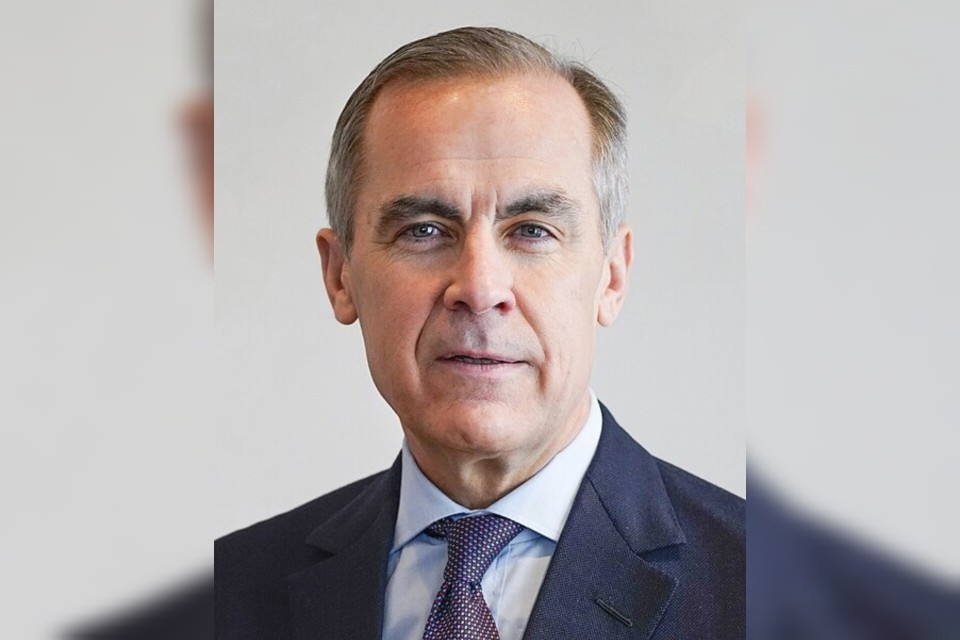
Prime Minister Mark Carney has initiated talks with British Columbia Premier David Eby to reconsider Canada’s federal carbon pricing strategy, aiming to bring it closer to the framework recently unveiled by Alberta. This initiative was part of discussions held in Vancouver, where Carney emphasized the federal government’s intention to engage with provinces and territories to establish a more consistent national carbon pricing model that harmonizes economic growth with environmental priorities.
The conversation between Carney and Eby follows a recent agreement with Alberta Premier Danielle Smith, which sets Alberta’s carbon pricing target at $130 per tonne by 2040, a figure lower than the federal goal of $170 per tonne by 2030. Premier Eby has expressed British Columbia’s commitment to economic development, while underscoring the importance of environmental safeguards in any forthcoming agreements. He particularly highlighted the necessity for environmental considerations surrounding proposals for a new oil pipeline to the West Coast, maintaining support for the North Coast tanker ban, and advocating for enhanced provincial engagement in federal energy deliberations.
Carney noted that any proposed pipeline projects would need to deliver significant economic advantages to British Columbians and include comprehensive consultations with Indigenous communities, offering opportunities for partnership and co-ownership. The prime minister also stressed the expansion of the Port of Vancouver as a strategic move for Canada to boost exports to Asian markets and lessen its reliance on trade with the United States.
Future infrastructure and energy initiatives, according to Carney, are expected to advance through cooperative efforts involving governments, First Nations, and industry stakeholders. Both Carney and Eby indicated that more significant projects could soon be announced in British Columbia as part of a broader federal strategy focused on infrastructure and trade.