
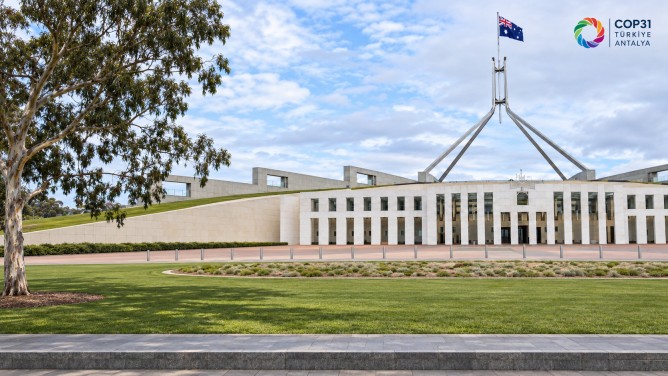
The recent COP31 climate conference in Antalya, Türkiye, concluded without reaching a final agreement on global climate action, prompting Australian opposition politicians to call for Energy Minister Chris Bowen’s resignation. Bowen, who presided over the talks, faced criticism from opposition leader Angus Taylor, who labeled the failed negotiations as a significant diplomatic setback.
The conference, which commenced on November 9, ended in a stalemate due to disagreements over how to address fossil fuels’ contribution to global warming. The European Union and several countries rejected the proposed agreement, arguing it inadequately addressed fossil fuels’ role, a stance opposed by Saudi Arabia and other oil-producing nations.
Amid the fallout, questions arose regarding the A$150 million spent by Australia on the summit, with opposition members pressing Prime Minister Anthony Albanese on the expenditure. Albanese defended the government’s climate strategy, emphasizing Australia’s commitment to scientific evidence and national interests.
The inability to reach a consensus has heightened concerns about the future of international climate cooperation, especially as projections indicate global temperatures could surpass the 1.5°C threshold, leading to more severe environmental impacts. Pacific island nations expressed deep disappointment, citing the increasing threats of rising sea levels and extreme weather to their communities.
China criticized the lack of agreement, while India maintained that it engaged constructively to foster a common resolution. The outcome of COP31 has intensified scrutiny over the efficacy of international climate negotiations and the ability of governments to implement robust measures to curb global emissions.