
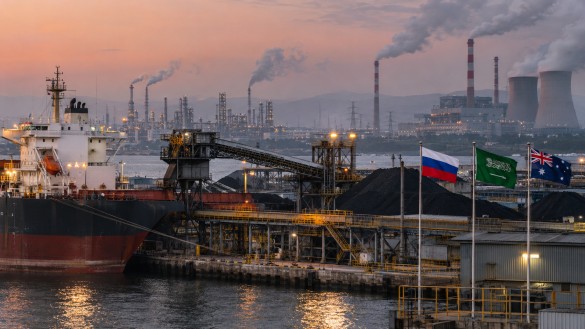
Russia, Saudi Arabia, and Australia have emerged as the leading historical exporters of carbon dioxide emissions from fossil fuel exports, according to a new analysis tracing coal, oil, and gas trade since 1850. The study reveals that Russia is responsible for over 70 gigatonnes of CO2 emissions from fossil fuels exported up to the end of 2025, with Saudi Arabia following at approximately 60 gigatonnes, and Australia at more than 25 gigatonnes.
This analysis shifts the focus from conventional assessments that measure emissions where fuels are burned, attributing responsibility instead to the countries where fossil fuels are extracted and exported. The findings underscore the significant role of fossil fuel-exporting countries in contributing to global warming beyond their domestic emissions.
Australia’s status as a major exporter has drawn significant attention, particularly as it plays host to this year’s United Nations climate summit, COP31, in Türkiye. Despite its prominent role in international climate discussions, fossil fuels still constitute around 40% of Australia’s export economy, and the country has yet to set a definitive deadline for ending fossil fuel exports.
Climate experts have voiced concern over the continued expansion of coal and gas production in these nations, warning that new projects could remain operational for decades, posing a threat to global climate targets. Environmental organizations are calling for major fossil fuel producers to assume greater financial responsibility for climate change and support the transition to cleaner energy.
Saudi Arabia, however, disputes the attribution of emissions from its exported oil, arguing that importing countries should share responsibility, as they determine how the fuels are used and how resulting emissions are managed. This debate highlights the broader discussion over financial accountability for climate change.
The findings have intensified calls for stronger international commitments to reduce reliance on fossil fuels and accelerate the shift towards sustainable energy solutions. The analysis serves as a reminder of the complex challenges involved in addressing global climate change and the need for cooperative international action.