
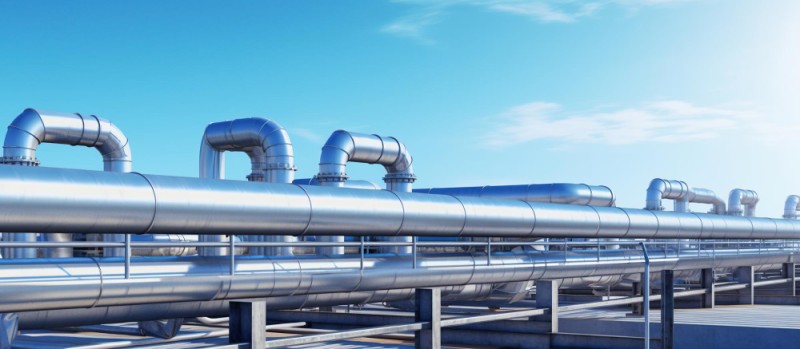
Canada is set to advance a significant oil pipeline project, part of a comprehensive C$150 billion investment initiative designed to broaden the nation’s energy exports and diversify its trade partnerships beyond the United States. Prime Minister Mark Carney announced that the federal government, in collaboration with the province of Alberta, will spearhead the development of this new pipeline. The pipeline will largely follow the existing Trans Mountain route, extending to a newly established export terminal and is anticipated to transport up to 1 million barrels of oil daily.
The initiative includes a commitment to offer Indigenous communities a substantial ownership stake in the pipeline, with consultations scheduled to commence immediately with First Nations, provinces, and territories. Meanwhile, the government has reassured stakeholders by maintaining the ban on oil tankers operating along British Columbia’s northern coast, a crucial consideration for Indigenous groups.
In addition to the pipeline, the investment package encompasses funding for the expansion of the Port of Vancouver and enhancements to electricity infrastructure in support of a new liquefied natural gas (LNG) terminal. The investment also aims to implement measures to safeguard the endangered southern resident killer whale population.
Alberta Premier Danielle Smith expressed support for the southern route of the pipeline, describing it as the most expedient and economical method to enhance Canada’s energy export capabilities. British Columbia Premier David Eby indicated no opposition to the project, highlighting improved environmental protections and compensation plans for impacted communities.
Indigenous leaders lauded the decision to uphold the northern tanker ban, viewing it as a balanced approach that secures the coastline while fostering economic opportunities through alternative export avenues. However, environmental groups have voiced criticism, arguing that the pipeline expansion undermines Canada’s climate objectives. Policy analysts also raised concerns about the project’s financial sustainability, cautioning that taxpayers might incur significant expenses if projected returns do not materialize.