
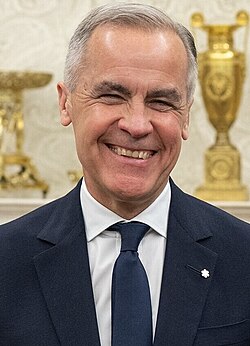
Mark Carney, the Canadian prime minister, has emphasized that Europe can play a pivotal role in rebuilding a new international order without succumbing to a more “brutal world.” Speaking at the European Political Community (EPC) meeting as its first non-European leader attendee, Carney highlighted the gathering as a beacon of hope for a better path forward. His remarks also hinted at the waning era of American leadership, suggesting that Europe could be the foundation for restoring a rules-based international order, especially amid rising tensions in the Strait of Hormuz and renewed doubts about the U.S. commitment to NATO.
The EPC’s eighth meeting, held in Yerevan, Armenia, underscores Europe’s determination to prevent the country from falling back under Russian influence. This summit occurs at a time when President Donald Trump has announced the withdrawal of over 5,000 troops from Germany, sparking concerns about the reliability of transatlantic alliances. U.K. Prime Minister Keir Starmer acknowledged the strained nature of traditional alliances, noting that how leaders address these challenges could define the geopolitical landscape for generations. French President Emmanuel Macron echoed this sentiment, emphasizing Europe’s commitment to taking charge of its destiny by bolstering defense and security measures.
Ukrainian President Volodymyr Zelenskyy also contributed to the discussions, warning of a pivotal moment in the summer when Russia might either expand the war or move toward diplomacy. He stressed the importance of maintaining sanctions against Russia and advocated for a diplomatic format that includes European participation. Meanwhile, the potential troop withdrawal from other European nations like Italy and Spain has been hinted by Trump due to perceived insufficient support for U.S.-Israeli operations against Iran.
EU foreign policy chief Kaja Kallas expressed surprise at the timing of Trump’s announcement about withdrawing troops from Germany, acknowledging that discussions about U.S. military presence in Europe have been ongoing. Kallas noted the necessity to reinforce the European pillar within NATO. German Chancellor Friedrich Merz, who did not attend the Yerevan summit, conveyed his continued commitment to the transatlantic relationship and working with Trump, despite tensions over Iran negotiations. NATO chief Mark Rutte admitted there had been disappointment from the U.S. regarding Europe’s stance on the Iran conflict, but assured that Europe is now providing logistical support and key assets for future phases.