
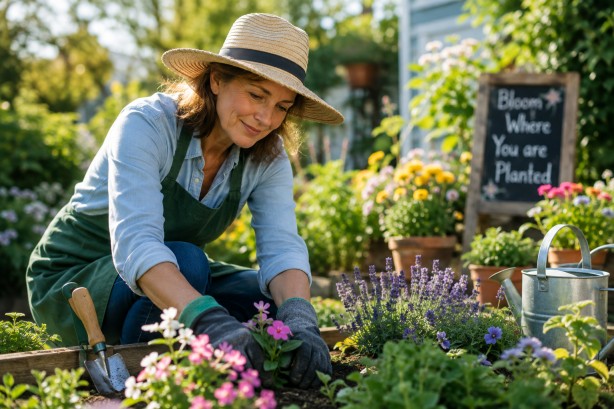
Gardening, often perceived as a leisurely pastime, offers numerous advantages beyond creating a visually appealing garden. It integrates physical activity, time outdoors, sensory engagement, and a bond with nature, all contributing to enhanced well-being. Research has highlighted various physical and mental health benefits associated with regular gardening, emphasizing its potential to support a healthier lifestyle.
Engaging with gardening activities can bolster cognitive health as it requires movement, strategic planning, and sensory usage. Selecting plants, remembering care routines, and handling soil provide consistent mental stimulation. Studies suggest that the combination of physical activity and mental engagement inherent in gardening can improve cognitive function and mood.
The calming influence of being surrounded by greenery can significantly reduce stress levels. Simple gardening tasks like watering, pruning, and planting offer a respite from daily stressors, which is crucial for maintaining overall health. Additionally, gardening fosters mental well-being by instilling a sense of purpose and achievement. The act of nurturing plants encourages outdoor time, which has been linked to improvements in mood, anxiety, depression, and overall life satisfaction.
Gardening is also an effective way to incorporate more physical activity into daily routines. Tasks such as digging, planting, and maintaining plants utilize various muscle groups, thereby increasing physical activity levels. For those with sedentary lifestyles, gardening serves as a practical way to stay active while accomplishing meaningful tasks. Moreover, the natural inclination to spend time outdoors while gardening exposes individuals to daylight, promoting vitamin D production essential for bone health, immune function, and general well-being. Nonetheless, it is important to balance sun exposure with adequate protection, especially during peak sunlight hours.
Long-term health benefits may also arise from the synergy of physical activity, stress reduction, outdoor exposure, and healthier lifestyle habits associated with gardening. Research indicates that older adults who garden regularly exhibit better cardiovascular health and reduced risks of certain lifestyle-related conditions. While gardening alone is not a guarantee for a longer life, it is a valuable component of an active and balanced lifestyle that can support healthier aging. Notably, gardening is accessible to everyone, regardless of space or experience. Caring for a few herbs, maintaining indoor plants, or spending brief periods with flowers can provide movement, relaxation, and a connection to nature, making it a beneficial addition to daily life.