
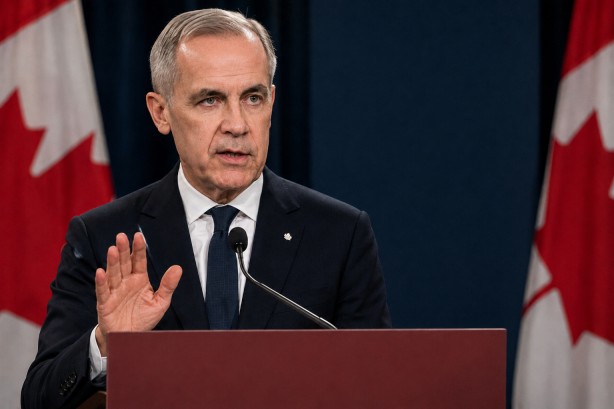
Canadian Prime Minister Mark Carney has firmly rejected a proposed trade agreement with the United States that could compromise the protection of the French language, a move coming in the wake of unsuccessful trade discussions between the two nations. Carney emphasized that the U.S. negotiators regarded certain French-language mandates in Quebec as hindrances to trade, but he reiterated that safeguarding the language is integral to Canada’s national identity and cultural rights. As a result, Canada will not consent to the current terms offered by the U.S.
This disagreement arises amidst the implementation of new U.S. tariffs that now impact approximately 5% of Canadian exports to the American market. In response, Canada is preparing to launch its own retaliatory tariffs slated for early September. Quebec, known for its stringent language regulations that enforce the use of French in product labeling and media services, has received Carney’s decision favorably. Provincial leaders have hailed the prime minister’s stance as essential to preserving the province’s linguistic and cultural heritage.
Meanwhile, the United States, under President Donald Trump, has continued to express discontent with Canada’s trade practices, threatening to impose additional tariffs on sectors including automobiles, auto parts, and steel. Despite the escalating rhetoric, U.S. Trade Representative Jamieson Greer has countered the narrative that French-language protections were central to the trade negotiations. He clarified that the primary issues at hand involved regulatory requirements affecting streaming services and Canadian content regulations.
The ongoing trade discord between the two historically allied nations signals escalating tensions as both sides brace for the potential economic fallout of their respective protective measures. The impasse over language requirements, in particular, underscores deeper cultural and regulatory divides that have surfaced in these bilateral trade talks.