
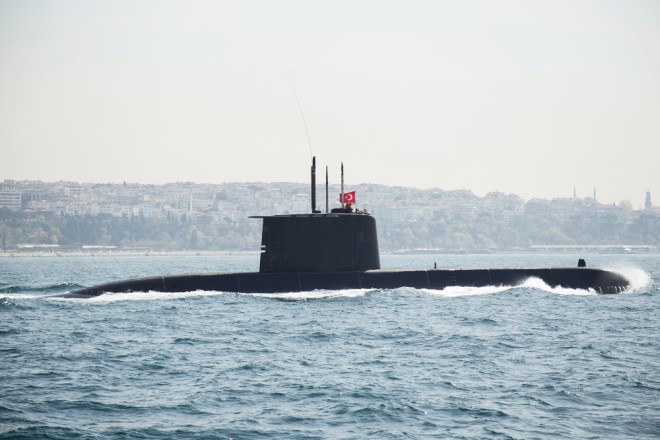
Canada is on the verge of selecting its preferred supplier for a significant military procurement project: the acquisition of up to 12 new submarines. Valued at tens of billions of dollars, this initiative is one of the largest in the nation’s history. The primary contenders in this closely watched competition are South Korea’s Hanwha and Germany’s ThyssenKrupp Marine Systems (TKMS). While both companies offer submarine designs that fulfill the operational needs of the Canadian Navy, the selection process has been influenced more by marketing strategies, economic incentives, and geopolitical factors than by technical specifications alone.
Hanwha has actively promoted its KSS-III submarine across Canada through a comprehensive advertising campaign, emphasizing its capacity to deliver the submarines swiftly. The company also highlights potential industrial collaborations and economic investments within the country. The KSS-III submarine is notable for its larger capacity and its ability to launch ballistic or cruise missiles via vertical launch systems.
In contrast, TKMS has leveraged its extensive experience as a supplier of conventional submarines to NATO members, emphasizing the 212CD submarine’s advanced stealth capabilities. This design offers significant interoperability benefits with NATO allies such as Germany and Norway, who are also incorporating the same platform into their fleets. The competition remains fierce, with both Hanwha and TKMS presenting compelling cases in terms of military, economic, and strategic advantages.
Experts observe that the Canadian government will consider various factors beyond submarine performance when making its decision. These include potential industrial investments, job creation, alliances, and long-term partnerships. Analysts note that the procurement process has deviated from the norm, with an accelerated timeline and a notable focus on economic benefits alongside the primary defense requirements.