
New Zealand is seeking clarification from China after it barred four of its lawmakers from entering mainland China, Hong Kong, and Macau. This move came in response to the lawmakers’ recent visit to Taiwan, which has sparked diplomatic concerns between the two nations. The travel restrictions impact members from both New Zealand’s ruling coalition and opposition, who had traveled to Taiwan last month. New Zealand’s government maintains that such parliamentary visits are in line with its long-standing One China policy, which has been a routine part of its diplomatic practices for decades.
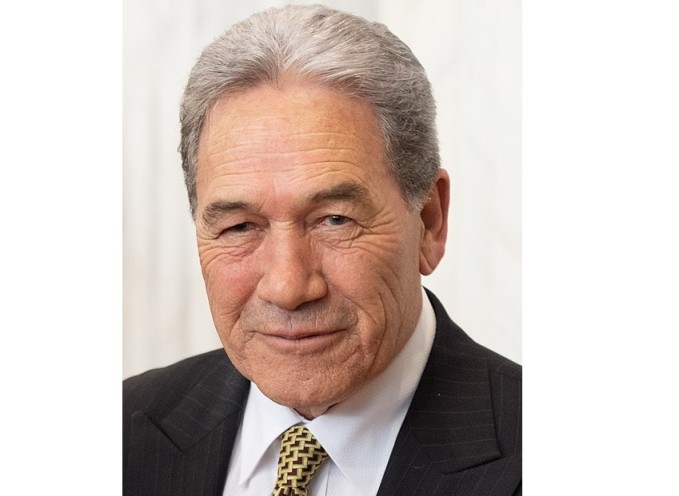
Expressing surprise at China’s decision, a spokesperson for New Zealand Foreign Minister Winston Peters stated that the government has directed diplomatic officials to reach out to Beijing for an explanation. The spokesperson also emphasized New Zealand’s concern regarding the imposed travel bans. Meanwhile, Taiwan’s foreign ministry has condemned the restrictions, labeling them as retaliatory. The ministry argued that China does not have the authority to meddle in Taiwan’s interactions with foreign lawmakers, highlighting that such parliamentary diplomacy is a common practice in democratic countries.
China, however, defended its decision, asserting its opposition to visits by legislators from nations that have diplomatic ties with Beijing. Chinese officials stressed that lawmakers are not considered ordinary citizens, and their visits to Taiwan contradict China’s stance on the matter. This incident has introduced a new layer of tension to the otherwise stable relationship between New Zealand and China, which, despite differences over regional security and Taiwan-related issues, maintain robust trade connections.
The travel bans have prompted an international dialogue on the balance between diplomatic relations and sovereign policies, with both New Zealand and Taiwan advocating for the continuation of their standard parliamentary exchanges. As New Zealand awaits further communication from Beijing, the development underscores the complexities involved in international diplomacy, particularly concerning sensitive geopolitical issues like the status of Taiwan.